Unlocking the Nutritional Power of Mahabeera Ginjalu
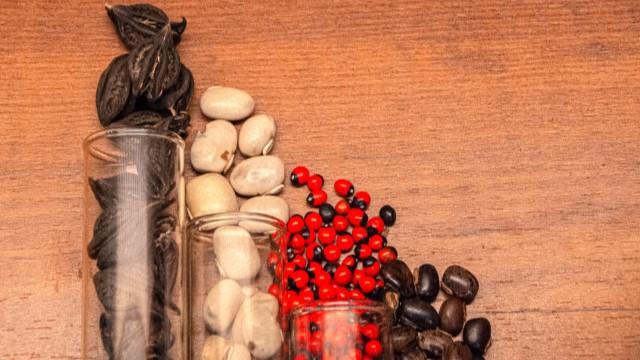
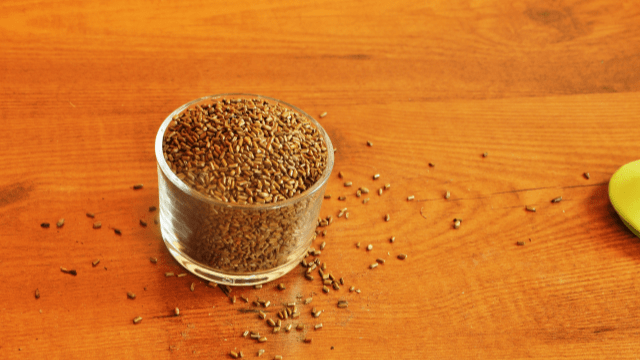
Mahabeera Ginjalu (horse gram seeds) is also commonly known as Vana Tulsi and Talamakhana Seeds in various parts of India.
Mahabeera Ginjalu stand out as a nutritional powerhouse revered for their health-promoting properties. These small, kidney-shaped seeds have long been valued for their rich protein content, fiber, and array of essential nutrients.
Soaking them in water and Softening the seeds:
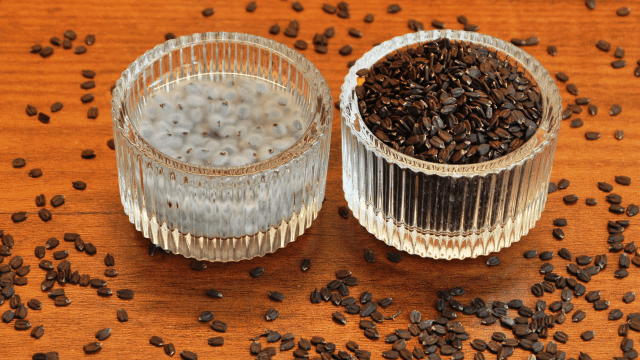
One of the most immediate benefits of soaking Mahabeera ginjalu is the softening of their hard outer coat. Like many legumes, horse gram seeds have a tough exterior that can be difficult to digest when consumed raw or unsoaked. By soaking them in water, this outer layer absorbs moisture and swells, resulting in softer, more tender seeds that are easier to cook and digest.
Vana Tulsi – Mahabeera Ginjalu
Unlocking nutrient values
Soaking Mahabeera ginjalu not only softens the seeds but also helps to release some of the nutrients they contain. This includes proteins, carbohydrates, vitamins, and minerals, which are encased within the seed’s structure. By allowing these nutrients to become more accessible, soaking improves their bioavailability, meaning they can be more readily absorbed and utilized by the body.
Soaking the seeds also helps to reduce the levels of anti-nutrients, making the nutrients in the seeds more available for absorption and improving overall digestibility. The fiber content of the seeds supports overall digestive function.
Culinary Versatility
Beyond their nutritional benefits, soaked Mahabeera ginjalu are incredibly versatile in the kitchen. They can be used in a variety of dishes, from soups and stews to salads and curries. Their slightly nutty flavor and hearty texture make them a delicious addition to both vegetarian and non-vegetarian recipes, adding depth and substance to any meal.
Conclusion
In the journey to harness the nutritional power of Mahabeera ginjalu, soaking them before cooking emerges as a simple yet significant step. By softening the seeds, enhancing nutrient absorption, reducing anti-nutrients, and promoting digestive health, soaking unlocks the full potential of these tiny legumes, transforming them into a nourishing and flavorful ingredient that enriches both body and soul.